Update: This has been classified as a false story, and will be removed soon — but we wanted to keep this notice up for now.
—
Ryan Williams, the 18-year-old Alabama Crimson Tide wide receiver from Mobile, has emerged as both a football phenomenon and a community champion, channeling his substantial NIL earnings into transformative charitable work throughout his hometown region.
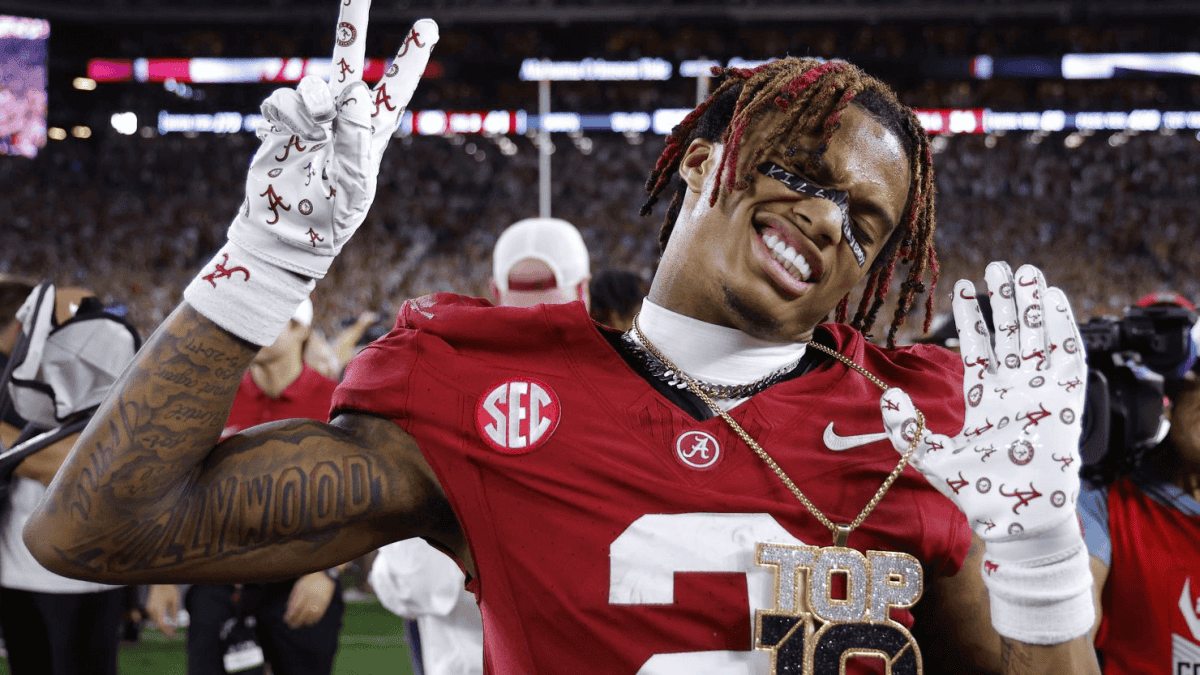
Recent reports indicate that Williams has donated his entire $5 million in earnings from games and sponsorships to establish homeless support centers, working alongside fellow Alabama player and Mobile native Deontae Lawson in a collaborative $7.8 million initiative that addresses the growing homelessness crisis in Mobile County.
Note: we read this breaking news on 2 different sources, but are still waiting to confirm it with additional sources.
This remarkable act of generosity represents one of the most significant charitable contributions by a college athlete in recent memory, demonstrating how the new NIL era can enable young athletes to make profound community impact while still pursuing their athletic careers.
A $5 Million Commitment to Homeless Support
The magnitude of Ryan Williams’ charitable commitment becomes even more remarkable when considering his age and the relatively short time he has been earning substantial income through NIL deals. Williams has committed his entire $5 million earnings from recent games and sponsorships specifically toward building homeless support centers in the Mobile area.
The homeless support centers funded by Williams’ donation are designed to provide comprehensive services beyond basic shelter. These facilities aim to offer:
- Transitional housing
- Job training programs
- Mental health support services
- Family reunification assistance
Williams’ commitment extends beyond the initial construction phase of these support centers. His team has indicated that the donation will also fund operational costs for the first two years of operation, ensuring that the facilities can provide consistent services without immediate funding pressures.

Collaborative Efforts with Fellow Mobile Native
The partnership between Ryan Williams and Deontae Lawson represents a powerful collaboration between two Alabama football players who share Mobile roots and a commitment to community service. Together, these athletes have spearheaded the $7.8 million initiative that extends beyond Williams’ individual contribution to create a comprehensive approach to addressing homelessness in Mobile County.
Lawson’s involvement brings additional expertise and connections to the initiative. As a linebacker for Alabama who has maintained strong community ties throughout his college career, Lawson has contributed both financial resources and strategic planning to the homeless support project.
From High School Standout to College Star
Ryan Williams’ journey from Saraland High School to Alabama football stardom provides the foundation for his current ability to make significant charitable contributions. During his high school career, Williams amassed:
- Over 3,000 receiving yards
- More than 1,000 rushing yards
- 71 total touchdowns
This exceptional performance earned him recognition as a unanimous five-star recruit and positioned him as one of the top receiving prospects in the country. Williams became the first sophomore ever to receive Mr. Football honors in Alabama and was named the Gatorade Player of the Year in Alabama.
Freshman Season Excellence
Williams’ freshman season at Alabama exceeded even the highest expectations, as he led the team in receiving yards with 865 yards and eight touchdowns while contributing in multiple phases of the game. His versatility was evident in his additional contributions on the ground and special teams.
The statistical achievements of Williams’ freshman campaign placed him among the elite receivers in the SEC, with his 18.02 yards per catch average ranking eighth in the conference and 28th nationally. These impressive numbers earned him first-team All-SEC recognition and Freshman All-SEC honors.
Current Status and Future Prospects
As Williams enters his sophomore season, he has been named to the Walter Camp Award Watch List, recognizing him as one of 45 players nationally being considered for college football’s most prestigious individual honor. Williams’ current NIL valuation has reached $2.3 million, ranking him among the top 20 NCAA athletes across all sports.
The trajectory of Williams’ career suggests that his earning potential will continue to grow, providing even greater resources for his charitable initiatives. His partnership with brands like Sally Hansen and his collaboration with luxury jewelry companies demonstrate the diverse range of marketing opportunities available to him.
Deep Hometown Ties and Local Impact
Williams’ commitment to Mobile reflects deep personal connections to the community that shaped his development as both an athlete and an individual. Growing up in the Mobile area and attending Saraland High School, Williams experienced firsthand the challenges facing many residents of the region, including housing insecurity and limited economic opportunities that contribute to homelessness.
Mobile County has experienced significant challenges related to homelessness, particularly in the wake of economic disruptions and housing affordability issues that have affected working families throughout the region. Williams’ intervention provides not just financial resources but also public attention and community leadership that can catalyze additional support for addressing these challenges.
NIL Era Enabling Student Athlete Community Impact
Williams’ charitable initiatives represent a significant example of how the NIL era has transformed the ability of college athletes to contribute to their communities while still pursuing their athletic careers. The substantial earnings available through NIL deals have created unprecedented opportunities for student athletes to engage in meaningful philanthropy without compromising their athletic eligibility or academic progress.
The scale of Williams’ contribution – $5 million committed to homeless support centers – would have been impossible under previous NCAA regulations that prohibited student athletes from earning income through their athletic reputation and marketability.
Comprehensive Support Center Design
The homeless support centers funded by Williams’ contribution represent a sophisticated approach to addressing housing insecurity that goes beyond providing temporary shelter to create comprehensive support systems for individuals and families experiencing homelessness. The facilities are designed to provide not just housing but also:
- Job training
- Mental health services
- Childcare support
- Other wraparound services that address complex factors contributing to homelessness
The architectural and programmatic design of the support centers reflects input from social service professionals, formerly homeless individuals, and community advocates who understand the specific needs and challenges facing homeless populations in Mobile County.
Catalyzing Additional Investment
Williams’ substantial investment in homeless support infrastructure has generated additional community investment and attention that extends the impact of his contribution beyond the direct services provided by the support centers. Local businesses, community foundations, and other individual donors have committed additional resources to support the initiative, creating a multiplier effect that substantially increases the total resources available for addressing homelessness in Mobile County.
The high-profile nature of Williams’ contribution has also attracted attention from state and federal funding sources that might not otherwise have focused on homelessness initiatives in Mobile County.
Inspiring the Next Generation
Williams’ charitable leadership extends beyond the direct impact of his financial contributions to include the inspirational effect his example has on young people throughout Mobile County and beyond. As a teenager who has achieved remarkable success while maintaining strong community ties, Williams provides a powerful example of how individual success can be channeled toward collective benefit.
The visibility of Williams’ charitable work has created opportunities for educational engagement with young people about philanthropy, community responsibility, and the potential for individual action to address systemic challenges. Schools throughout Mobile County have incorporated Williams’ example into discussions about civic engagement and community service.
A Model for Future Athletes
Ryan Williams’ transformation from exceptional high school athlete to college football star to community philanthropist represents a remarkable journey that demonstrates the potential for individual success to generate profound community impact.
His commitment of $5 million to establish homeless support centers in Mobile County reflects not just generous charitable giving but strategic philanthropy that addresses systemic challenges while creating sustainable infrastructure for ongoing community support.
The collaborative nature of Williams’ charitable work, particularly his partnership with fellow Alabama player Deontae Lawson, establishes a model for how athletes can leverage their resources and platforms to create impact that exceeds what any individual could achieve alone. This approach demonstrates mature understanding of both the challenges facing vulnerable populations and the strategic coordination required to address these challenges effectively.
As Williams continues his athletic career at Alabama while maintaining his commitment to community service, his example establishes new possibilities for how student athletes can engage with social challenges.
The success of his homeless support initiative will likely inspire similar efforts by other athletes and could contribute to broader shifts in how communities address homelessness and housing insecurity.
The ultimate impact of Williams’ charitable work will be measured not just in the number of individuals served by the homeless support centers he has funded, but in the broader community transformation that results from strategic, sustained investment in addressing systemic challenges.
His commitment to Mobile County reflects the kind of community leadership that can generate lasting change while inspiring others to contribute their unique resources and talents to collective benefit.
Note: we view this news on 2 different sources, but are still waiting to confirm it with additional sources.