A long-anticipated shoreline restoration project along the western edge of Mobile Bay is officially moving forward. The Mobile County Commission has approved a grant amendment and awarded a construction contract to begin work on the Salt Aire Shoreline Restoration Project.
The updated grant, funded through the National Fish and Wildlife Foundation’s Gulf Environmental Benefit Fund, now totals $15.7 million. That funding covers the work in full, with no local match required from Mobile County.
At the same meeting, commissioners awarded a $7,480,001 construction and dredging contract to Viking Dredge, LLC. All construction costs will be reimbursed through the federal grant.
The result is a fully funded project designed to strengthen and restore a stretch of shoreline that has faced decades of erosion.
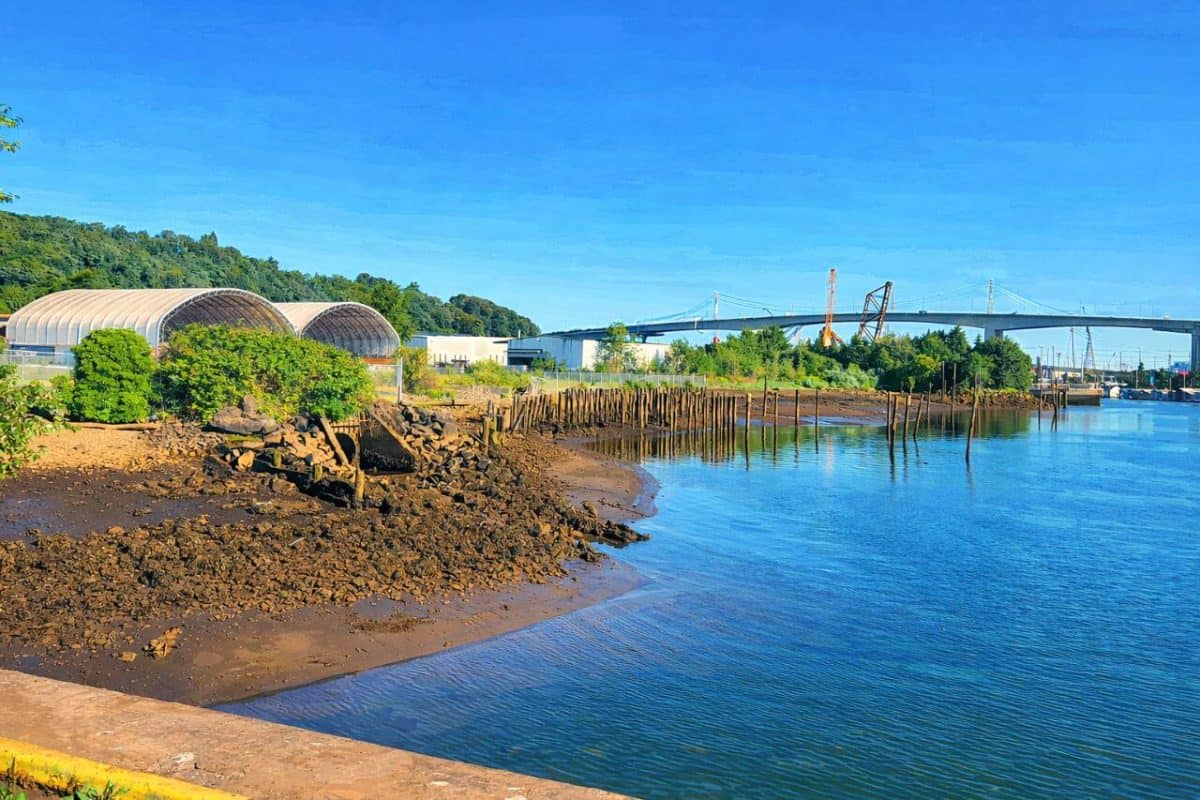
Restoring 30 Acres of Marsh
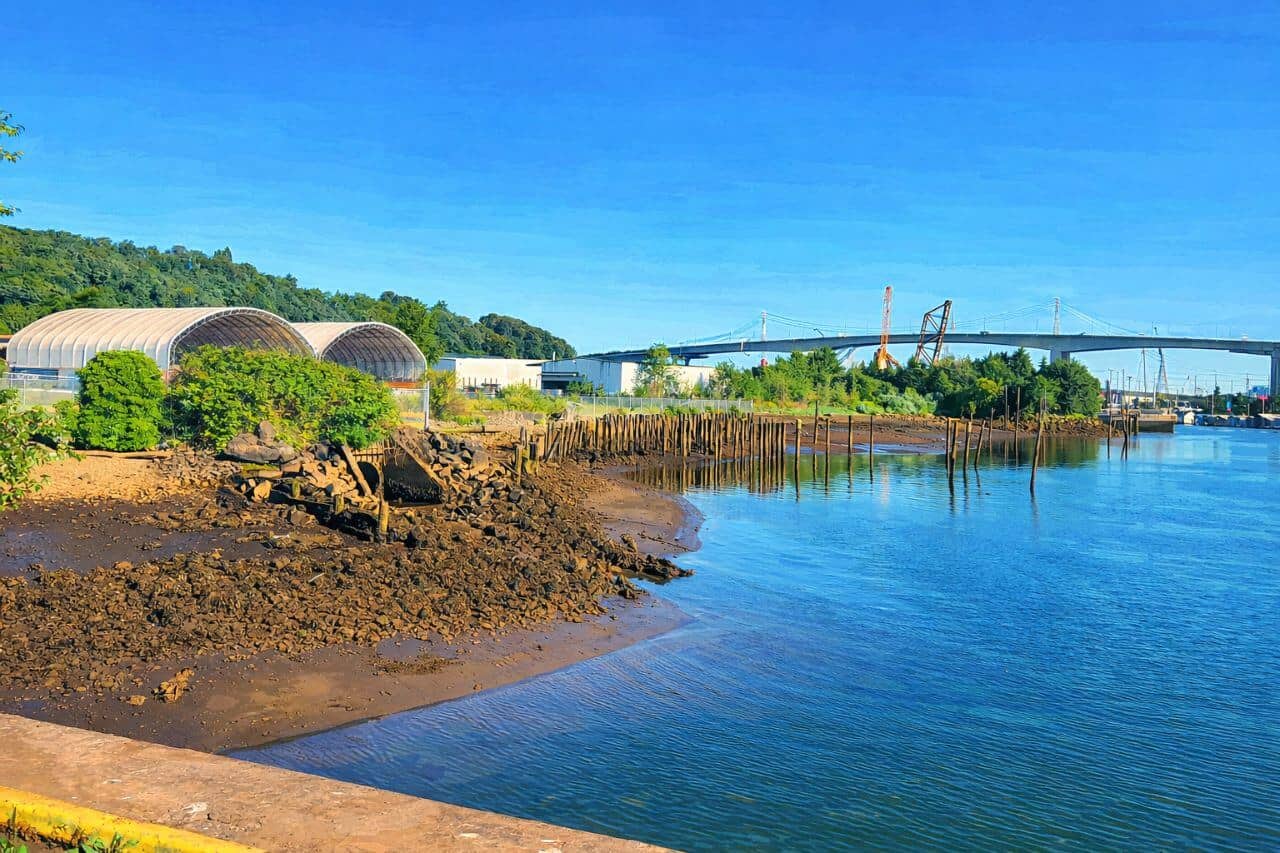
The Salt Aire project will restore approximately 30 acres of marsh habitat along the western shore of Mobile Bay. That stretch of coastline has steadily worn down over time due to wave action, storms, and shifting tides.
Marshes serve as natural workhorses. They filter water, provide habitat for fish and birds, and help stabilize shorelines. They also act as a buffer, absorbing the daily push of waves and offering protection during stronger weather events.
By rebuilding this marshland, crews aim to reinforce a fragile section of bayfront while strengthening the overall health of the ecosystem.
Commissioner Randall Dueitt noted that these funds stem from oil spill settlement dollars tied to the Deepwater Horizon disaster. The Gulf Environmental Benefit Fund was created to ensure penalty money is directed back into restoring Gulf Coast ecosystems.
In this case, those dollars are returning directly to Mobile Bay.
Construction Set to Begin in April
Work is expected to begin in April 2026 and will continue for roughly 10 months. The construction phase will include dredging and marsh creation efforts designed to reshape and reinforce the shoreline.
Boaters should plan accordingly. During construction, access channels may shift, and submerged equipment will be present in the area. Navigating near the work zone will require extra awareness.
Over time, the temporary construction activity will give way to newly stabilized marshland designed to stand up to the everyday pressures of wind and water.
Supporting Fisheries and Waterfront Activity
Healthy marshes play a central role in sustaining fisheries and wildlife populations. Many species depend on marsh habitat during critical life stages, using the protected waters as nurseries.
A stronger shoreline also benefits the working waterfront. Commercial and recreational users rely on a stable, functioning bay. When erosion accelerates, it can affect channels, docks, and nearshore areas.
Restoration projects like Salt Aire aim to reinforce the natural systems that support those industries and activities. The marsh becomes both habitat and infrastructure.
Over the long term, a restored shoreline can help maintain the productivity of Mobile Bay, which remains one of Alabama’s most important natural resources.
Turning Settlement Funds Into Lasting Impact
The Gulf Environmental Benefit Fund was established using settlement dollars from the Deepwater Horizon oil spill. Its purpose is direct and practical: rebuild natural resources harmed by the disaster and strengthen Gulf Coast ecosystems.
In Mobile County, that mission now takes physical shape in the form of rebuilt marshland and reinforced shoreline.
A $15.7 million investment represents a significant commitment to long-term coastal resilience. With full grant reimbursement covering construction, the project moves ahead without placing additional strain on county finances.
Over the next year, heavy equipment will reshape part of the western bay. After that, native marsh grasses will take root, sediment will settle, and the shoreline will begin to hold its ground more firmly.
The process takes time. The payoff unfolds gradually. And once complete, the restored marsh will stand as a reminder that recovery efforts can translate into visible, lasting improvements along the water’s edge.
If you’d like to check out other news stories, hop over to our news corner.