Mobile County has pressed the start button on a new chapter in recycling.
A high-capacity glass pulverizer is now up and running at the Mobile County Recycling Center, thanks to a $200,000 grant from the Alabama Department of Environmental Management.
The result is a system that can process more than 500,000 pounds of glass each year right here at home.
For years, collected glass had to be shipped out of state for processing. That meant transportation costs, added logistics, and long wait times.
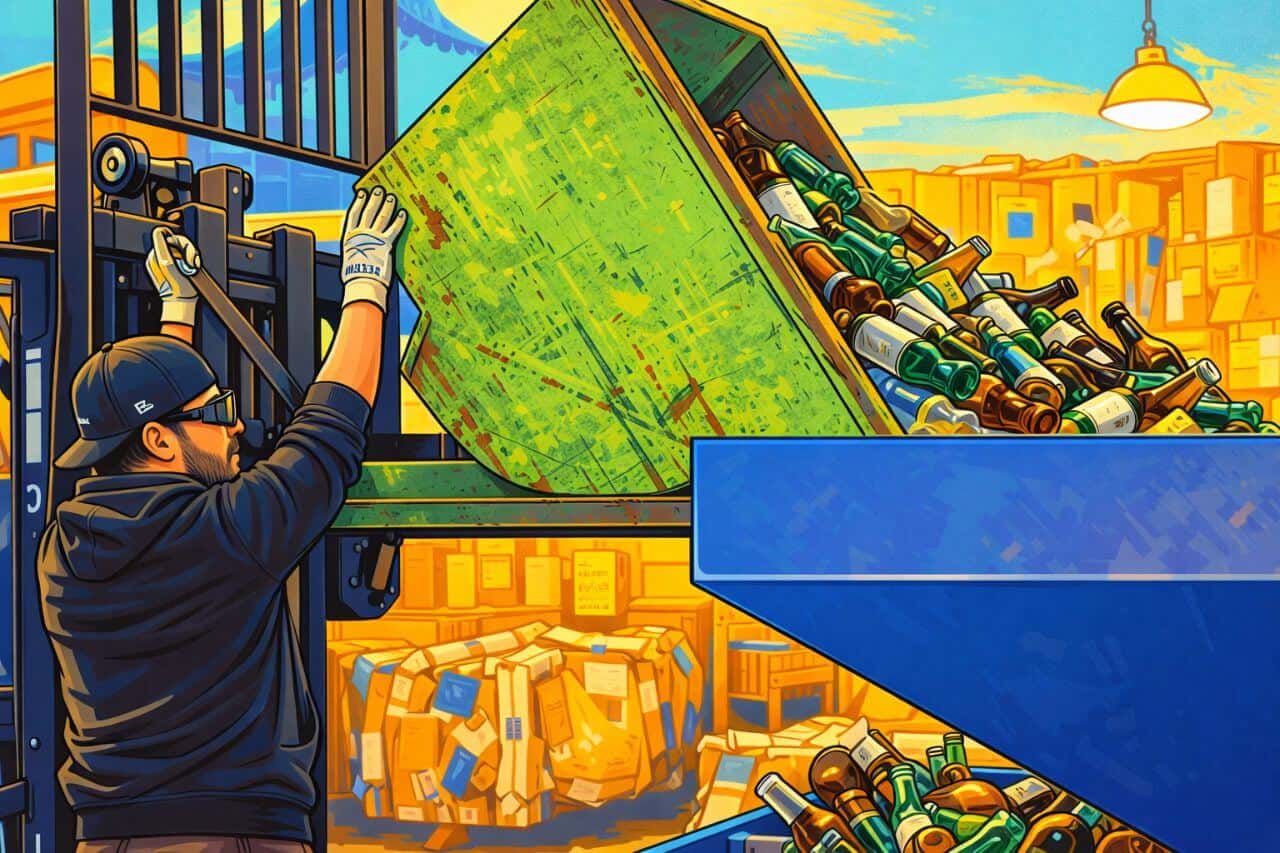
Now, bottles and jars dropped off at the center stay in the county. They are crushed, refined, and transformed on-site into a useful material that can immediately serve local projects.
It is a practical shift. It keeps resources closer to where they are used. It also places Mobile County among a growing number of communities investing in smarter waste solutions.
One Bin. All the Glass.
The most noticeable change? No more color sorting.
Under the new “single-stream” system, clear, green, and amber glass can all go into the same bin. Residents no longer need to separate bottles by shade before dropping them off. It is simpler. It is faster. It removes a small barrier that used to slow people down.
That streamlined process matters. Recycling works best when it is easy to participate. When instructions are clear and convenient, more people tend to join in. Now, a bag of mixed glass can head straight to one collection point without a second thought.
For busy households juggling work, school, and weekend plans, that kind of simplicity can make a difference.
From Bottles to Sand in Minutes
Inside the facility, the new pulverizer does impressive work. It can handle nearly a ton of glass per hour. Bottles and jars are crushed into a rounded, sand-like aggregate that is safe to touch and easy to reuse.
This material does not sit idle. It is repurposed for county infrastructure projects, including walking trails, pipe bedding, and landscaping. Instead of purchasing aggregate from elsewhere, the county can use what it produces from recycled glass.
Commissioner Connie Hudson, who helped spearhead the center’s development, described it as closing the loop on waste. The county collects glass, processes it, and then uses the finished product in its own projects. That cycle keeps materials moving in a productive direction.
There is something satisfying about that transformation. A soda bottle dropped off on Saturday could eventually support a walking path or line a drainage system.
Strengthening the System
The grant from ADEM covered more than the pulverizer itself. It also funded site improvements, including a new concrete pad, loading hoppers, and reinforced pavement for specialized forklifts. These upgrades allow the center to handle greater volume safely and efficiently.
The Mobile County Recycling Center, owned by the Mobile County Commission and managed by Goodwill Gulf Coast, remains the primary regional hub for glass recovery. Many municipalities in the area do not accept glass in curbside recycling programs, which makes this centralized location even more important.
According to Tina Sanchez, director of the Mobile County Department of Environmental Services, the system changes the math of recycling. It helps extend the life of local landfills while improving workflow for employees. When a facility can process nearly a ton an hour, that impact adds up quickly.
Education, Jobs, and a Broader Vision
The benefits reach beyond infrastructure.
Plans are in place to include the pulverizing operation in public tours. That opens the door to hands-on education about how recycling works and where materials end up. Seeing the process in action often leaves a stronger impression than reading about it.
The center also supports job training opportunities for persons with disabilities through its partnership with Goodwill Gulf Coast. As operations expand, so does the potential for meaningful work and skill development.
Taken together, the new glass recycling program reflects a practical approach to growth. It simplifies participation, strengthens county projects, and creates opportunities along the way. A bottle tossed into the right bin now has a clear path forward, and that path leads right back into the community.
If you’d like to check out other news stories, hop over to our news corner.