Mardi Gras has a way of bringing out everything that makes Mobile sparkle, from colorful floats to marching bands and, of course, horses stepping proudly down the parade routes.
As the first parades of the season get closer, the City of Mobile gathered riders and their horses for a special training class designed to keep everyone safe and confident once the beads start flying.
The free session took place Saturday under a covered area at The Grounds, where rain drummed on the roof while horses shuffled, snorted, and soaked up the attention.
It felt like a behind-the-scenes peek at what it takes to keep a tradition running smoothly year after year.
With horses set to join many of the upcoming parades, the timing could not have been better.
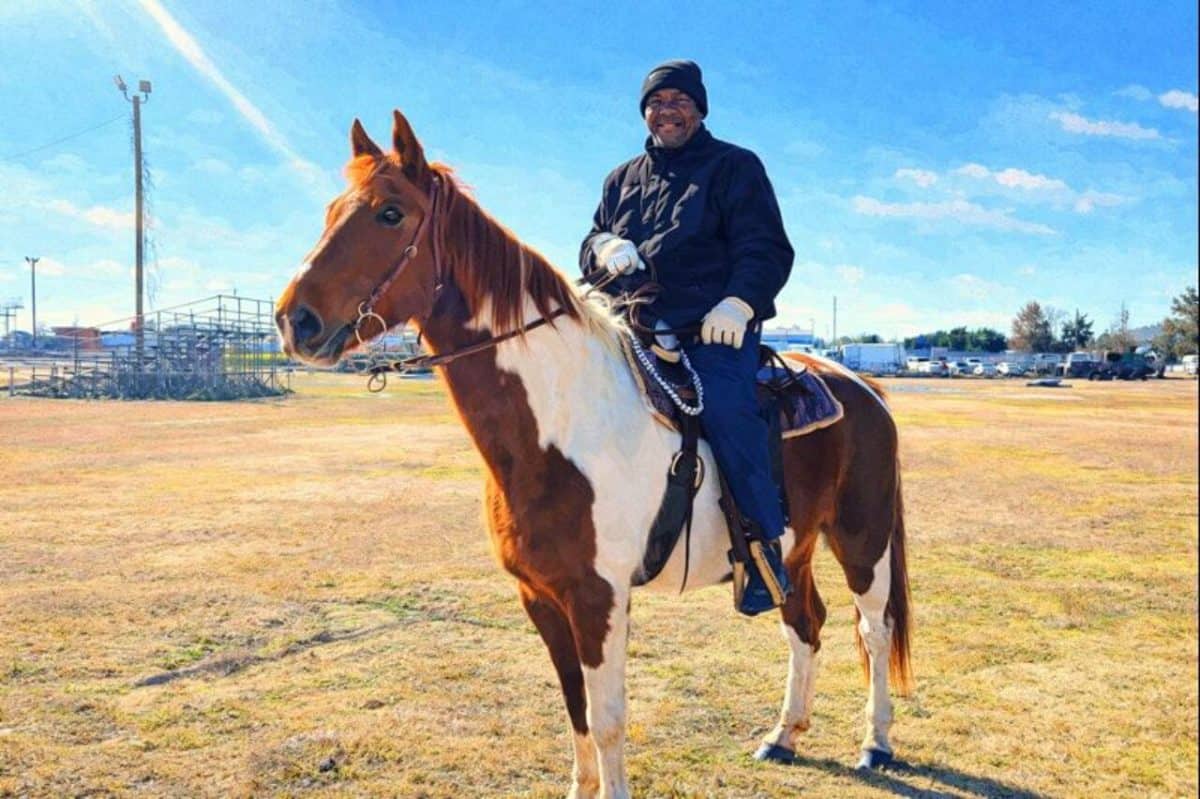
A Class Built Around Care and Safety
The training is aimed at horse owners who plan to ride in this year’s parades and have not completed a certified rider course in the past year.
About 25 people showed up, each bringing a mix of excitement and responsibility.
Riding in a parade looks magical from the curb, yet it requires preparation, awareness, and respect for the animals carrying those riders through packed crowds.
Robert Bryant, the City of Mobile’s Director of Animal Services, explained that the heart of the class centers on learning how to read a horse.
Riders practice spotting early signs of distress, injury, or illness, which allows them to act quickly if something feels off.
During a parade, that knowledge can make all the difference, keeping the rider, the horse, and nearby spectators out of harm’s way while the show goes on.
Seeing Mardi Gras Through a Horse’s Eyes
Instructor Jacqueline Bittner led the session with a focus on real-world scenarios. Mardi Gras creates a whirlwind of sound, movement, and surprise, which can overwhelm even the calmest animal.
A sudden shower of beads, a fluttering bag, or a burst of music can grab a horse’s attention in an instant.
Bittner reminded riders that these moments call for steady leadership. Horses respond to calm voices, gentle cues, and clear direction.
Teaching them to keep moving forward helps them stay focused and prevents them from fixating on whatever startled them.
The goal is to keep the rhythm of the parade flowing while the horse remains relaxed enough to enjoy the journey.
Lessons Shaped by Experience
The city began placing extra emphasis on training after an incident two years ago when a horse fell during a parade.
That moment prompted officials to review procedures and update policies to better protect both animals and riders.
The result has been a more thoughtful approach to parade participation, one that balances tradition with modern safety standards.
Bryant noted that Mardi Gras places unique demands on horses. Long routes can tire them out. Bright lights and loud noises can rattle even experienced parade mounts.
By preparing riders for these challenges ahead of time, the city helps ensure that each horse gets the care and support it needs to finish the route feeling healthy and secure.
The Season Begins With Care and Confidence
As the Conde Cavaliers prepare to roll on January 30, the streets of Mobile will soon fill with cheering crowds and rolling floats.
Behind the scenes, riders who completed this training will guide their horses with greater confidence, ready to handle whatever surprises the season delivers.
That quiet preparation adds an extra layer of comfort for everyone lining the parade routes.
For those curious about how the city manages all these details, the full 2026 horse policy for Mardi Gras parades is available on the city’s Mardi Gras Dashboard.
It lays out the standards that help keep this beloved tradition moving forward, one hoofbeat at a time, while preserving the magic that makes Mardi Gras in Mobile feel like home.
If you’d like to check out other news stories, hop over to our news corner.